

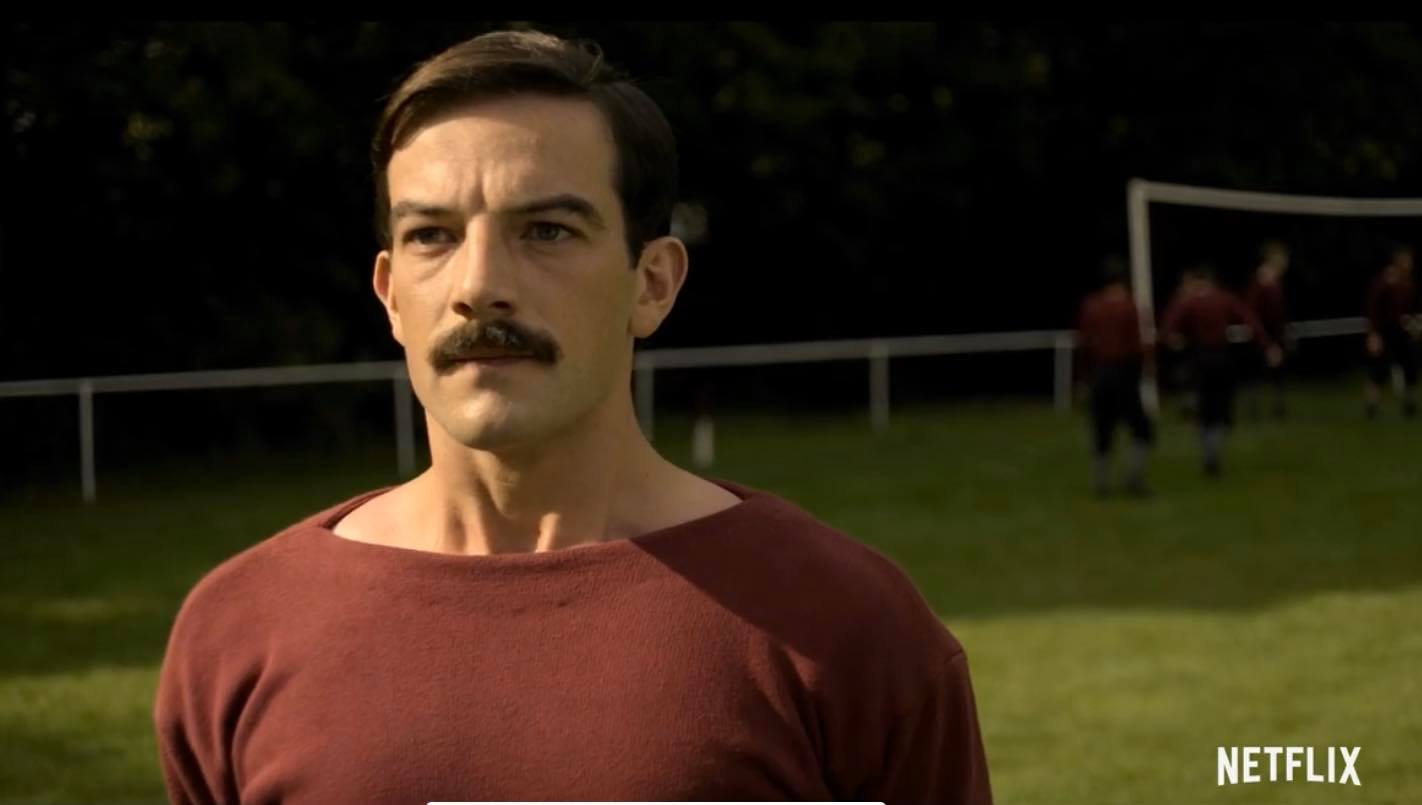
For many, the weekends are a time spent sitting in front of the television watching their favourites sports, however, the Coronavirus has meant a pause on that for the foreseeable future. Netflix have responded by releasing a mini-series aimed at sports fans titled ‘The English Game’.
The drama is created by Julian Fellowes, who is most known through his period drama ‘Downton Abbey’. This new drama centres around a period theme, but it interests sports fans as it revolves around the early beginnings of the world’s most popular sport- soccer.
The English Game Delves Deep Into English Soccer
Long before the Premier League and teams like Manchester United and Liverpool enjoying prolonged periods of success, the biggest competition in England was the FA Cup. The story centres around how working-class teams came to compete in the competition, as the sport was run by players from the St Etonians.
These players were also members of the board for the FA, and abused their power when they could seize an advantage. That is evident from the very first seasons as they refused a working-class team from the north called Darwen the ability to play extra time following a 5-5 draw. The English Game is the perfect remedy for those missing sport, as they are uncanny issues from back then that can relate to the sport in its modern-day format.
Working-Class Struggle To Compete
The main characters in the story are played by Edward Holcroft and Kevin Guthrie, who portray Arthur Kinnaird and Fergus Suter; both real players from that era, who are renowned as the first superstars of the game. The story begins when Suter moves from Scotland to join Darwin, and follows him as he crosses the divide to join their arch-rivals Blackburn.
Meanwhile, Kinnaird’s character arc from beginning to end shows how important he was in the changing of the laws that allowed teams from the north and midlands to compete against the southern teams. It is certainly a must-watch for all fans of sport that are craving it back in their lives over the next couple of weeks.
