

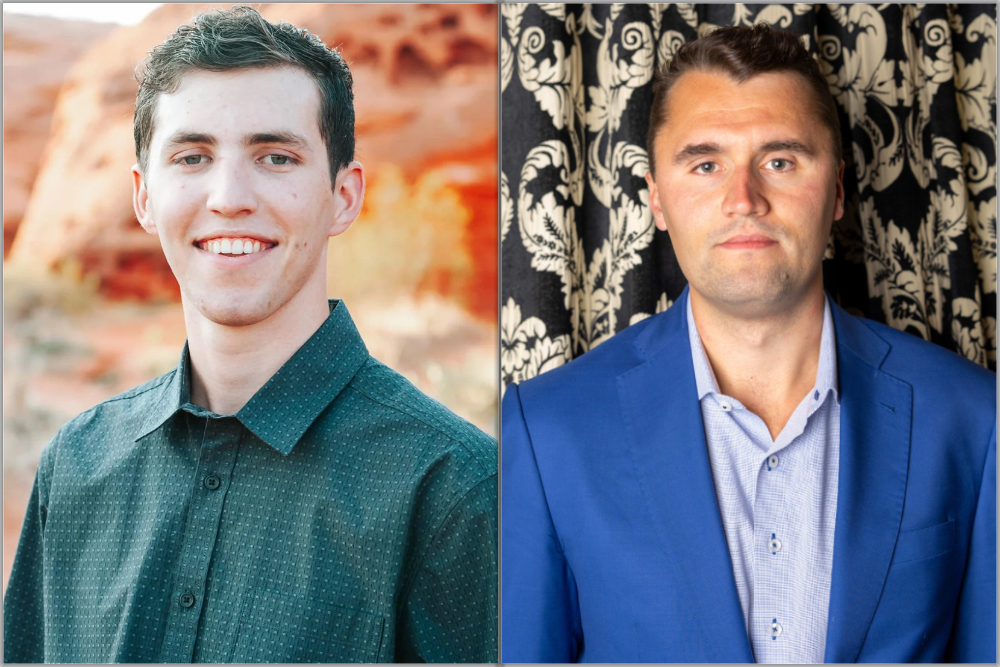
On September 16, 2025, Utah County Attorney Jeff Gray announced that prosecutors would seek the death penalty for Tyler Robinson, the 22-year-old accused of assassinating conservative activist Charlie Kirk. Robinson faces multiple charges, including aggravated murder, felony discharge of a firearm, and obstruction of justice, following the fatal shooting of Kirk at Utah Valley University (UVU) on September 10.
Utah Prosecutor Seeks Death Penalty for Tyler Robinson in Charlie Kirk Assassination
Charlie Kirk, founder of Turning Point USA, was delivering a speech on the UVU campus when he was shot in the neck by a sniper positioned on a nearby rooftop. The shooting occurred in front of an audience of approximately 3,000 people and was captured on video, leading to widespread media coverage and public outrage.
Evidence and Charges
Investigators have presented compelling evidence linking Robinson to the crime. DNA found on the rifle’s trigger and a screwdriver recovered from the rooftop match Robinson’s profile. Additionally, a handwritten note and digital communications, including messages to his roommate, suggest premeditation and intent. Robinson is also accused of instructing his roommate to delete incriminating messages and not cooperate with authorities.
Motive and Radicalization
While Robinson had no prior criminal record, authorities have noted a shift in his political views. His mother informed investigators that he had become more progressive and pro-LGBTQ+ in recent months. FBI investigators are examining Robinson’s online activity, including his participation in a Discord chatroom, to determine if others were involved or if his actions were influenced by external factors.
Legal Proceedings
Robinson is scheduled to appear in court via video from jail for his initial hearing. He remains in custody without bail. Prosecutors have indicated that the case will be treated as a capital offense, and the death penalty remains a possibility.
National and Political Reactions
The assassination of Charlie Kirk has sparked widespread condemnation across the political spectrum. Utah Governor Spencer Cox described the incident as an “American tragedy” and emphasized the state’s commitment to upholding the rule of law. Federal authorities are collaborating to trace potential funding sources for political violence, including any possible external involvement.
The assassination has intensified debates over political rhetoric and its potential to incite violence. While the exact motivations behind Robinson’s actions remain under investigation, the incident underscores the need for a national conversation about the impact of divisive political discourse and the responsibilities of public figures and media outlets in fostering a more civil political environment.
